
The Operational Reliability Series
Stories about what systems leave between people.
Two family stories, one analytical volume, and companion editions for readers who want to stay with the practical details.

The work between institutions
Coordination has to land somewhere.
The Operational Reliability Series examines the coordination work that falls between hospitals, agencies, insurers, and families. The Weakest Link follows an acute crisis and the handoffs where care breaks down. The Invisible Architecture follows the slower crisis after care changes. The Space Between is the forthcoming institutional analysis.
A family integrator is the person who became the place where appointments, medications, documents, insurance facts, and the next handoff collect. The role is usually unpaid and unassigned. Hospitals, agencies, and insurers each hold their own record. The integrator holds the picture that has to move between them.
Operational reliability in family care is whether planned support actually happens: the shift is staffed, the medication list is current, the discharge plan survives the ride home, and someone can say who owns the next step. Coverage on paper is not the same thing as capability in the house.
The books
Read the books in order.
Begin with Margaret Lawson, continue with Frank and Elaine Carter, then turn to the institutional analysis behind their stories.
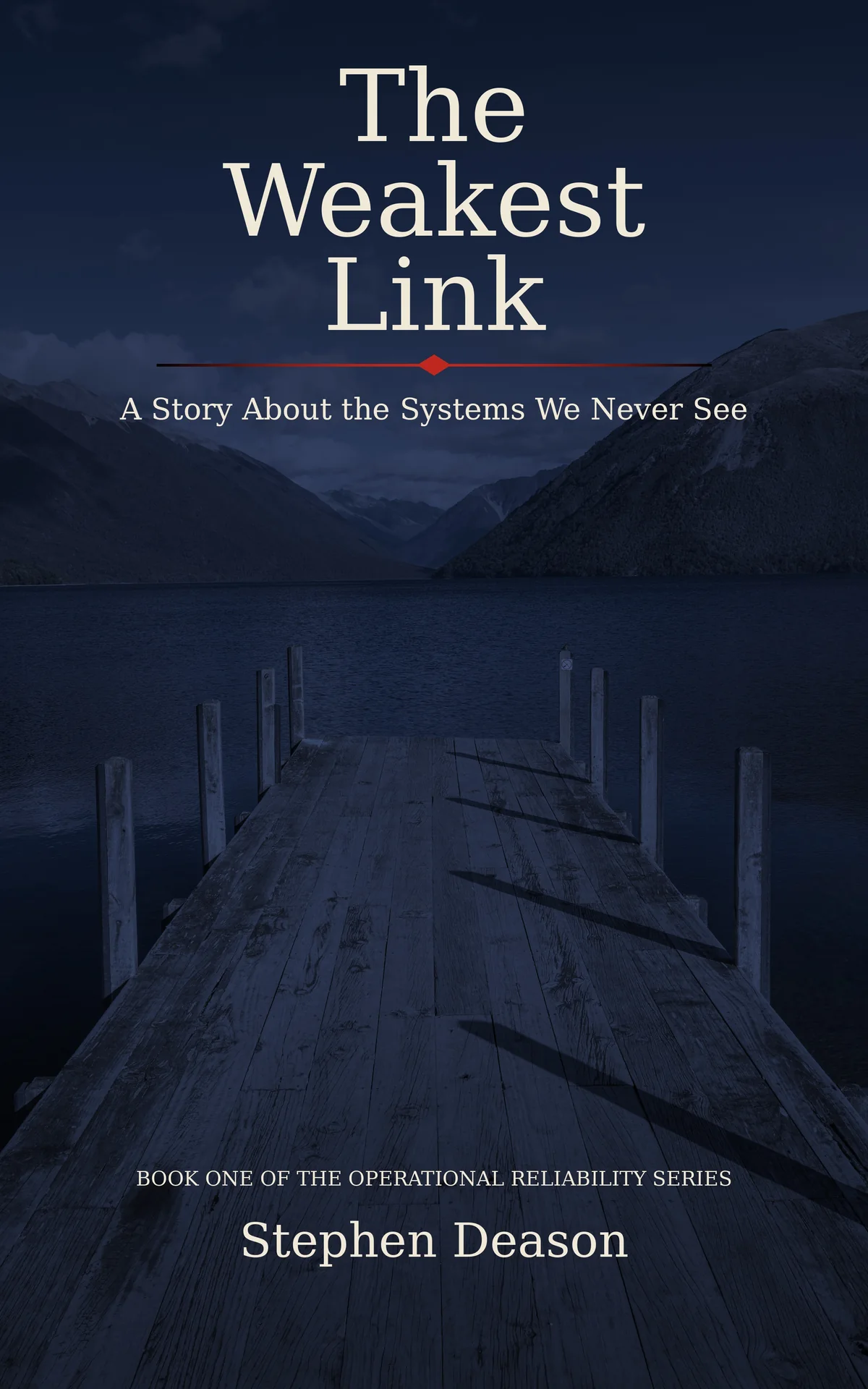
The Operational Reliability Series · Book I · Available
The Weakest Link
A Story About the Systems We Never See. By Stephen Deason. An acute family healthcare crisis, followed by an interpretation and practical guide to the handoffs where care breaks down.
Kindle eBook, $4.99, Amazon · Paperback, $14.99, Amazon · Paperback, IngramSpark
View edition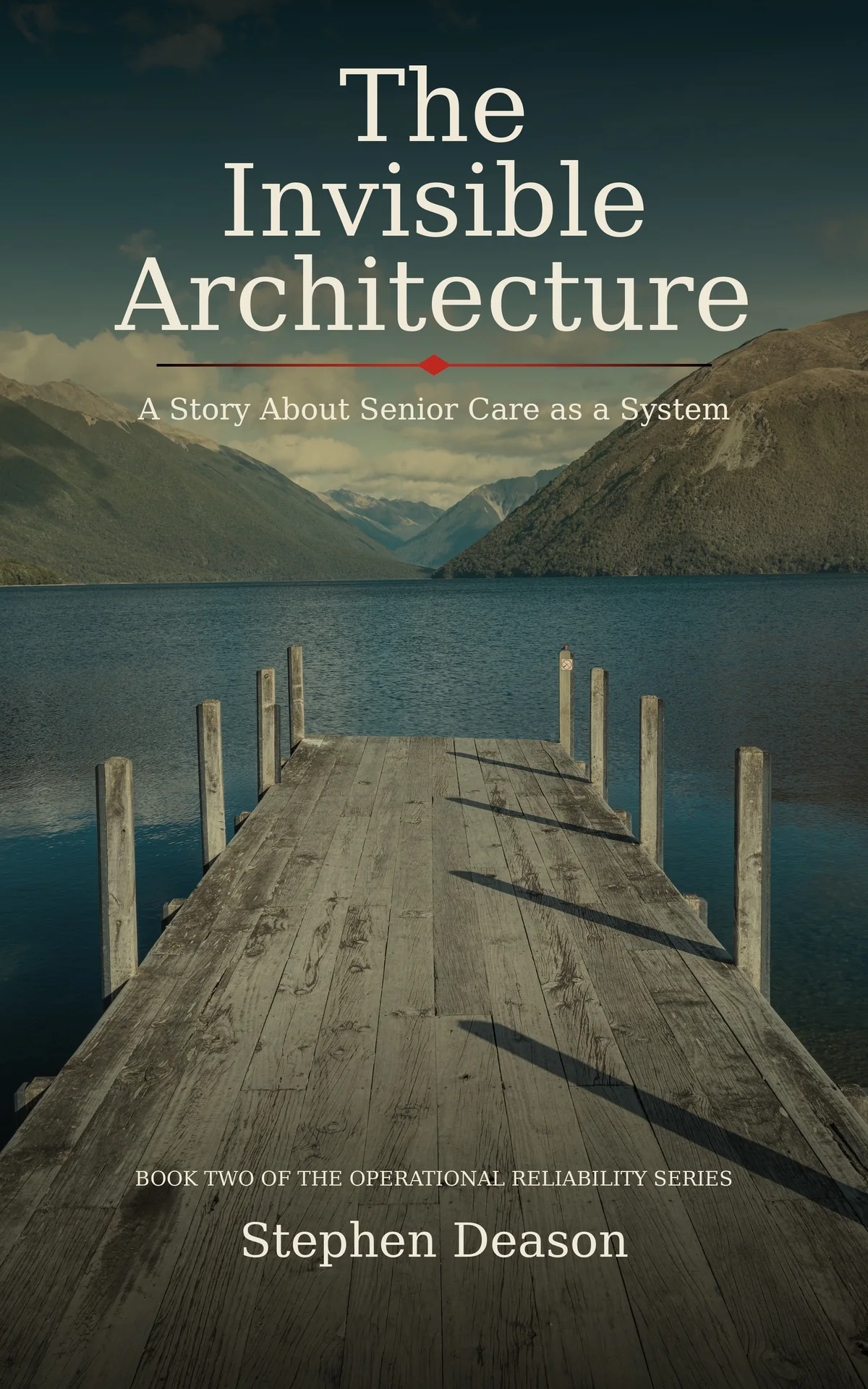
The Operational Reliability Series · Book II · Available
The Invisible Architecture
A Story About Senior Care as a System. By Stephen Deason. A quieter story about the slow crisis after care changes, followed by a practical handbook for the person carrying continuity.
Kindle eBook, $4.99, Amazon · Paperback, $14.99, Amazon
View edition
The Operational Reliability Series · Book III · Forthcoming
The Space Between
Institutional Architecture and Coordination Costs. By Stephen Deason. A nonfiction examination of institutional architecture, coordination costs, and the hidden work that falls between organizations.
Title page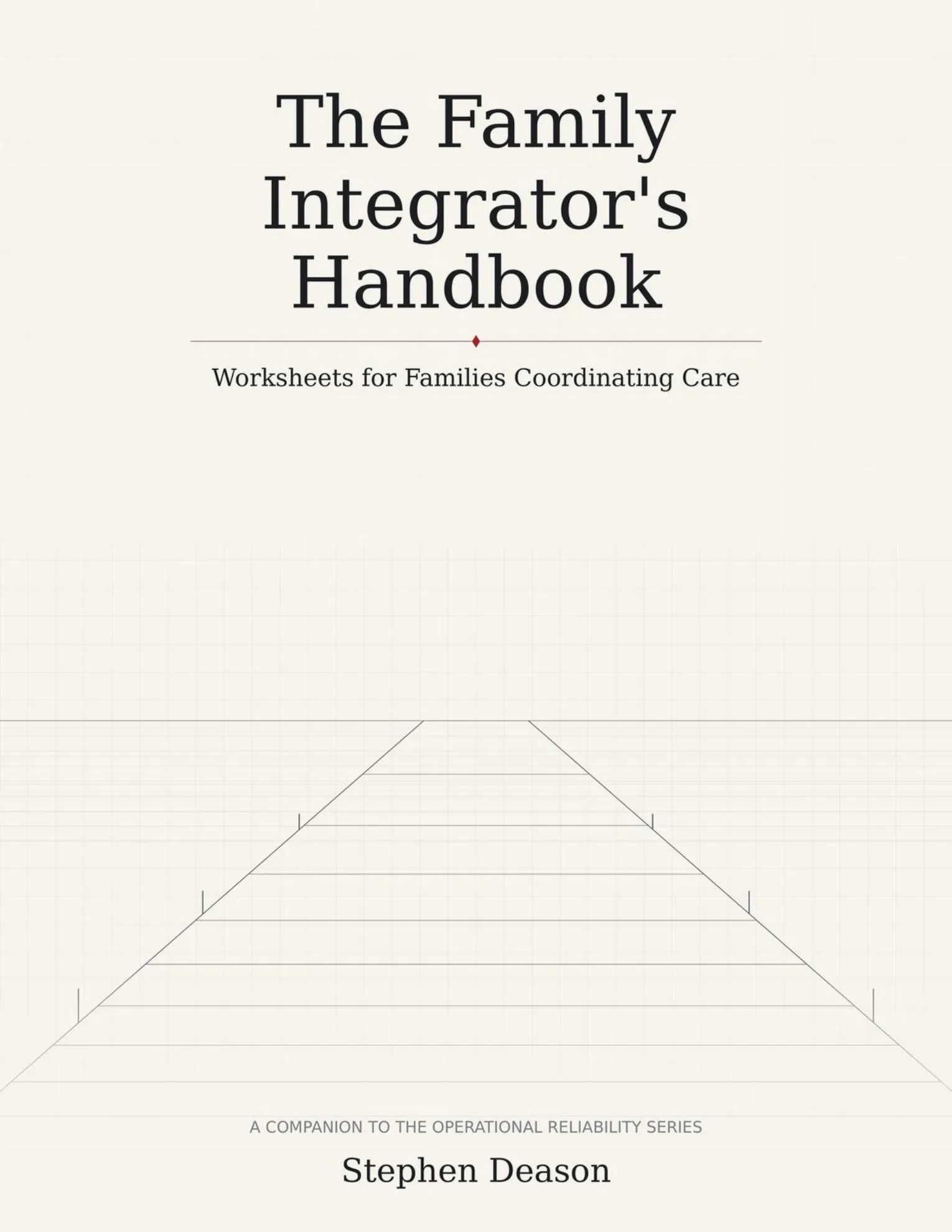
The Operational Reliability Series · Available, with free download
The Family Integrator's Handbook
A 101-page workbook for the person helping a family coordinate care, available as a no-charge PDF download or in a bound edition.
Explore the handbookFree tools for families
OPA Home Care, the home care company Stephen Deason founded, offers these planning tools free.
Across the series
Family care is rarely one person’s job.
The novels follow what happens when responsibility is distributed across relatives, clinicians, and organizations. The final volume examines why ordinary decisions can still leave essential work without a clear owner.