
The invitation arrives before you have decided how to answer. A cousin is getting married, friends are arranging a reunion, or your employer has planned a celebration. You want to see people. You also expect alcohol to be part of the occasion, and you want to decide how you will handle the visit.
Start with the particular event. Where will you be? Who will be there? How would you leave? Write down the part of the occasion you most want to prepare for, such as an offer of a drink or a journey home that depends on someone else.
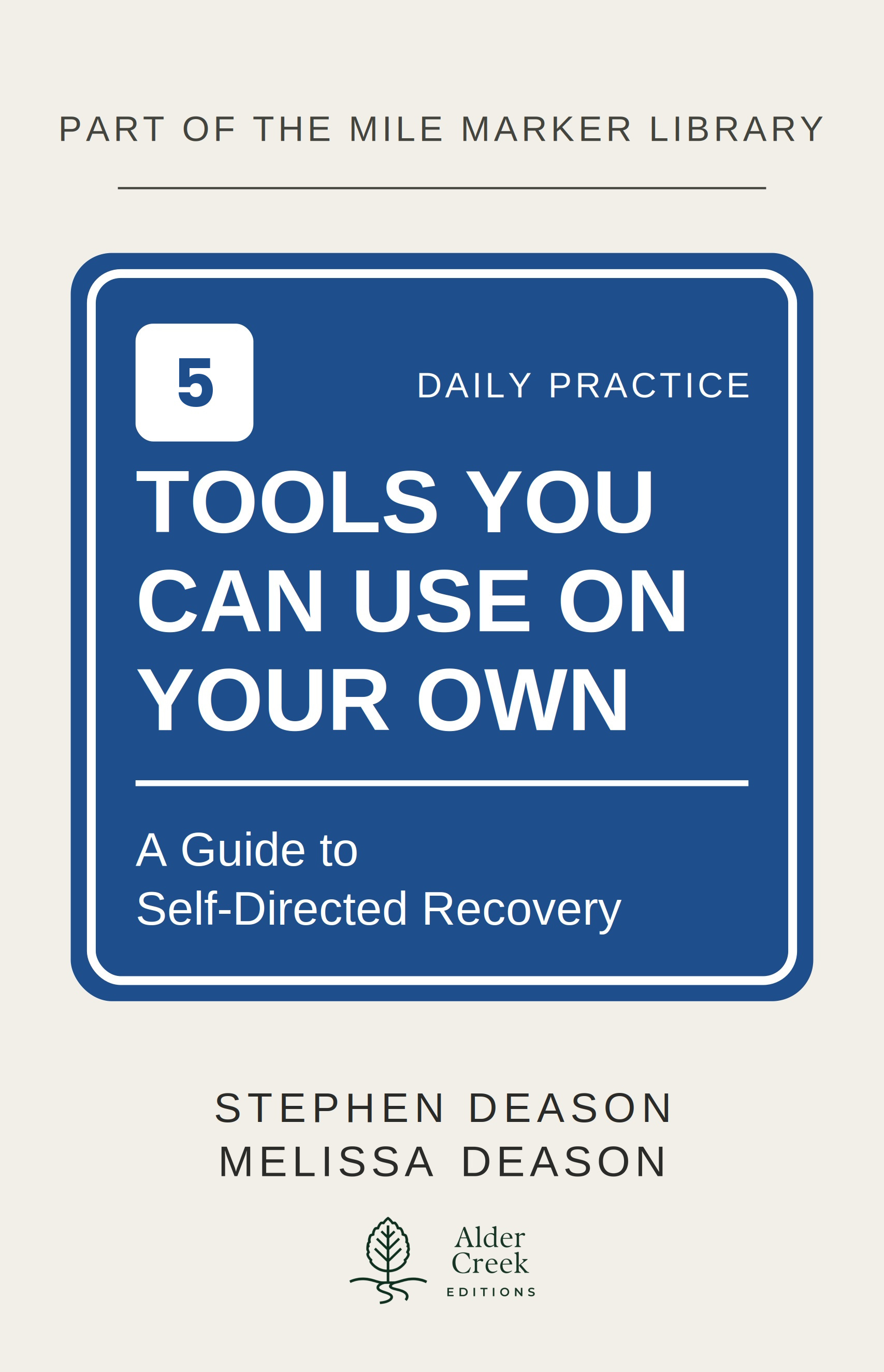
Tools You Can Use on Your Own, by Stephen Deason and Melissa Deason, has a Quick Tool Finder that points readers toward practices for recognizable situations. For events involving alcohol or drugs, the finder directs readers to the event plan and exit line in Places and Events. Those tools provide a place to make arrangements before accepting an invitation.
Make the attendance decision
The event plan begins with deciding whether you need to attend. Consider your circumstances and the support available. You can discuss the occasion with someone involved in your recovery before deciding what to tell the host.
In a hypothetical example, your cousin's wedding reception is across town. You would like to congratulate your cousin, and your sister has offered to go with you. Ask your sister what her plans involve before making an arrangement around her. If she intends to stay late, establish how you would leave earlier.
The book's event plan includes arranging your own transport or a ride you can call, bringing a friend who knows the plan, and deciding how long to stay. Check those arrangements against the actual venue and occasion. Put the return-ride information somewhere you can reach during the reception.
Prepare the words
The plan also asks readers to choose what they will drink and prepare a response to an offer. Decide which nonalcoholic drink you want to ask for. Prepare words you can comfortably say when a guest offers you something else.
For the wedding example, you could say, “Thanks, I'll have sparkling water.” Practice the sentence aloud before leaving home. If a guest asks again, use the answer you prepared and return to the conversation you want to have.
The book's exit-line tool asks readers to prepare a short departure sentence. Choose words that fit the occasion and your plans. You might tell your cousin, “I'm heading home now. Thank you for including me.” Tell your sister beforehand that you want to be able to leave when you choose.
The same tool includes contacting a friend or sponsor after leaving. Agree on that contact before the event. Ask whether your supporter can receive a message or call at the time you expect to leave, and record the arrangement beside your ride information.
Review the arrangement
After the occasion, write down which parts of the plan you used. You might record that you ordered the drink you wanted, spoke with your cousin, and called the ride when you had planned. Name any arrangement that was difficult to use.
Perhaps the pickup location was unclear. Perhaps your sister expected a longer visit than you had discussed. Those details identify something to settle before a future invitation. Write the change beside the relevant part of the event plan so you can find it when another occasion approaches.
Keep any question that needs more support for your next conversation with someone involved in your recovery. You can take the event notes along and describe the specific moment you want help preparing for.
For an invitation you are considering now, open the event plan, decide about attending, and confirm your transport and support arrangements. Write your response to a drink offer and your departure sentence where you can read them before leaving home.
Related book
Tools You Can Use on Your Own, by Stephen Deason and Melissa Deason. Find the free printable and available retail edition on the book's page.