
Alder Creek Editions
Recovery
Practical reading for the thoughts, routines, and hard hours that deserve a clear next step.
Start here
Put the next useful thought somewhere it can be found again.
These guides make room for reflection and preparation while keeping the boundary clear: a page can support a next conversation, but a page cannot replace care.

Recovery Journal Prompts for a Hard Day
Use a short, concrete prompt to notice a difficult moment, prepare a next step, or bring a clearer note to a trusted conversation.
Read the guide
Coping Skills for Addiction Recovery: A Practical Plan
Choose a response that fits a craving, a hard hour, or the practical pressure that is making recovery harder today.
Read the guideRelapse Prevention Plan Worksheet: A Useful Guide
Name personal warning signs, support, and next actions before a difficult recovery moment gets harder.
Read the guide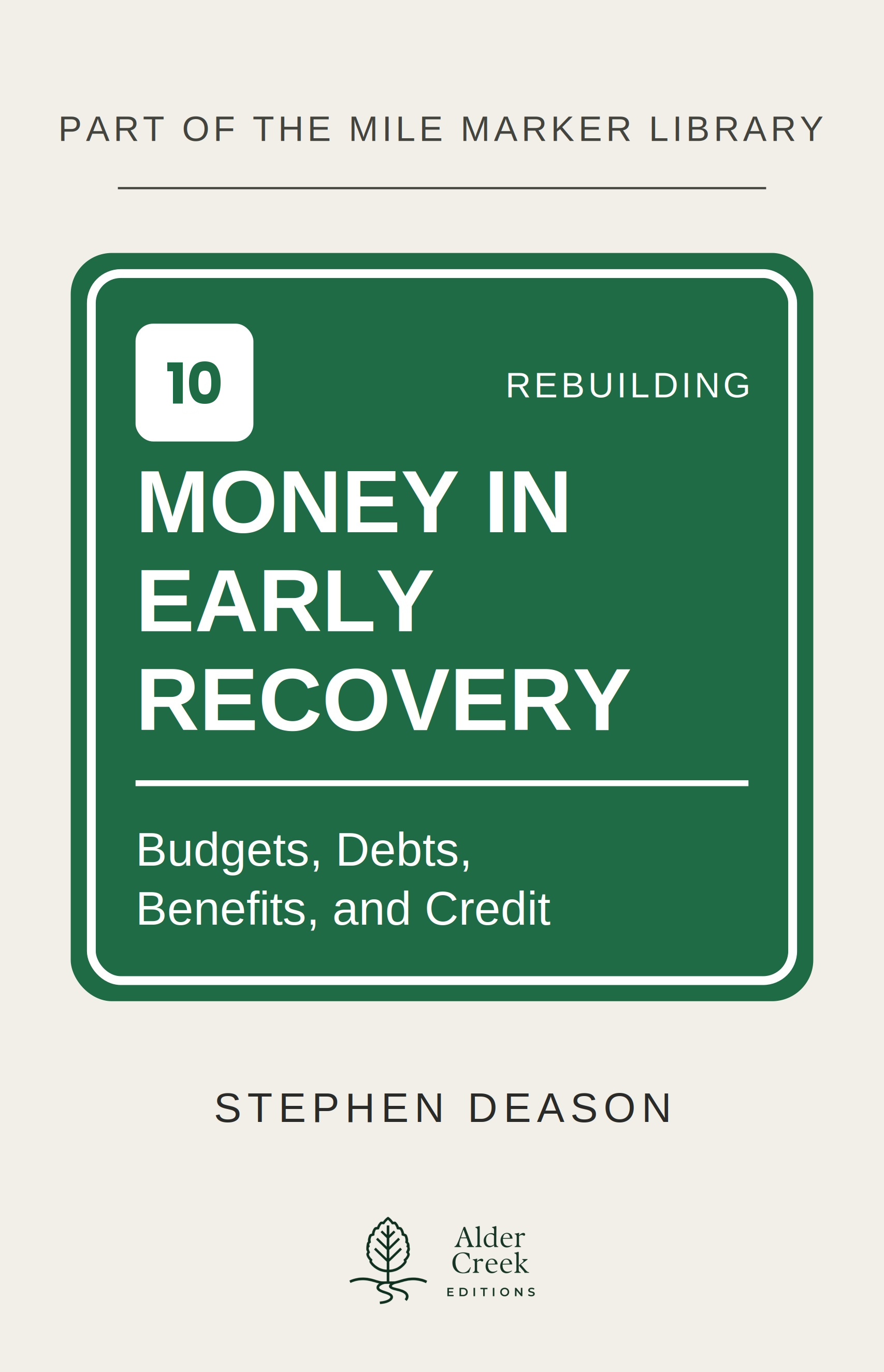
Sobriety Worksheets for Real Recovery Questions
Choose a worksheet for the question in front of a reader, then prepare a clearer next support conversation.
Read the guide
What to Say to Someone in Recovery
Start a respectful recovery conversation, listen closely, and offer support without taking over.
Read the guide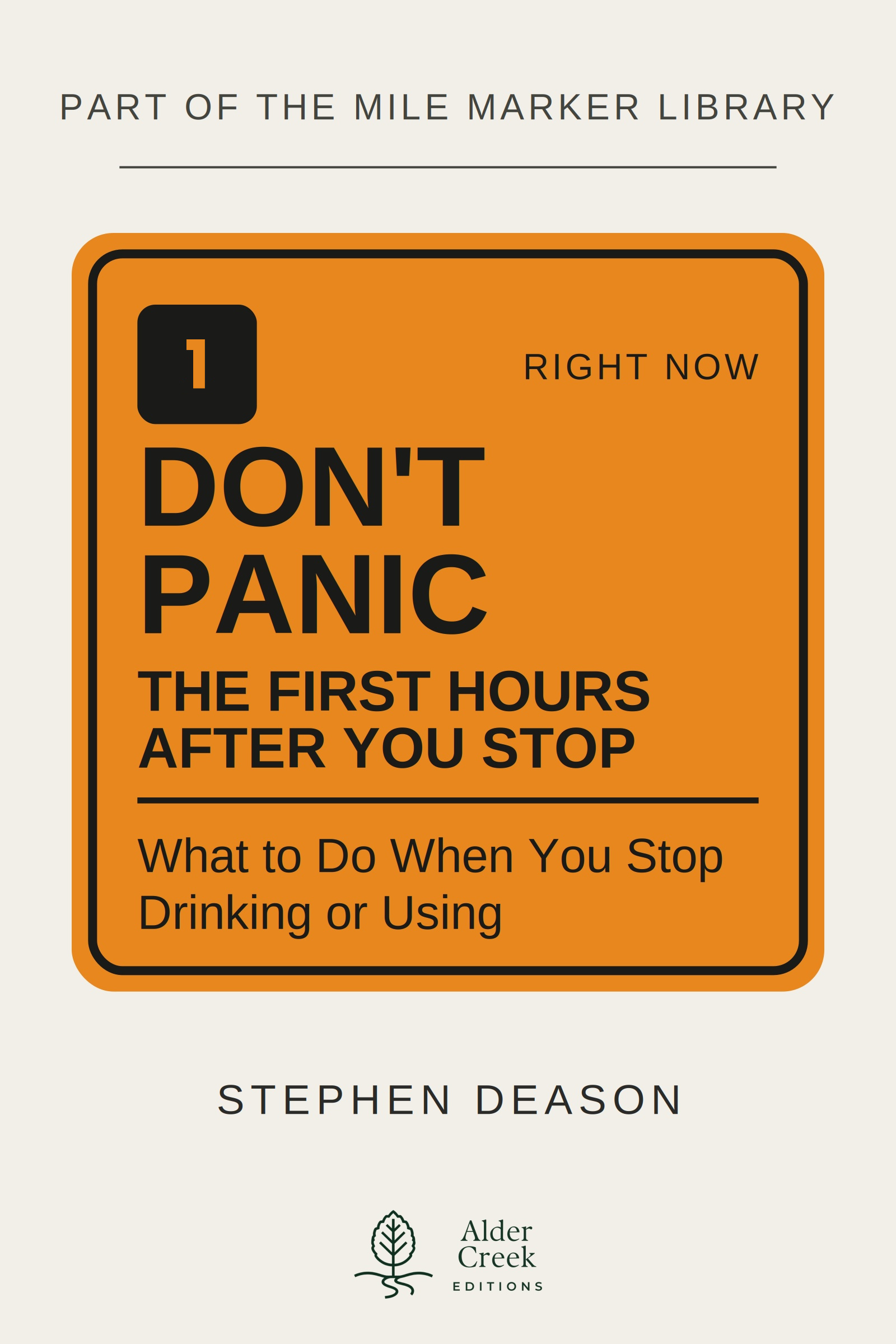
Make the next hour smaller
Use Don’t Panic to focus on the next safe action after drinking or using stops, find support, and bring withdrawal questions to medical care.
Read the article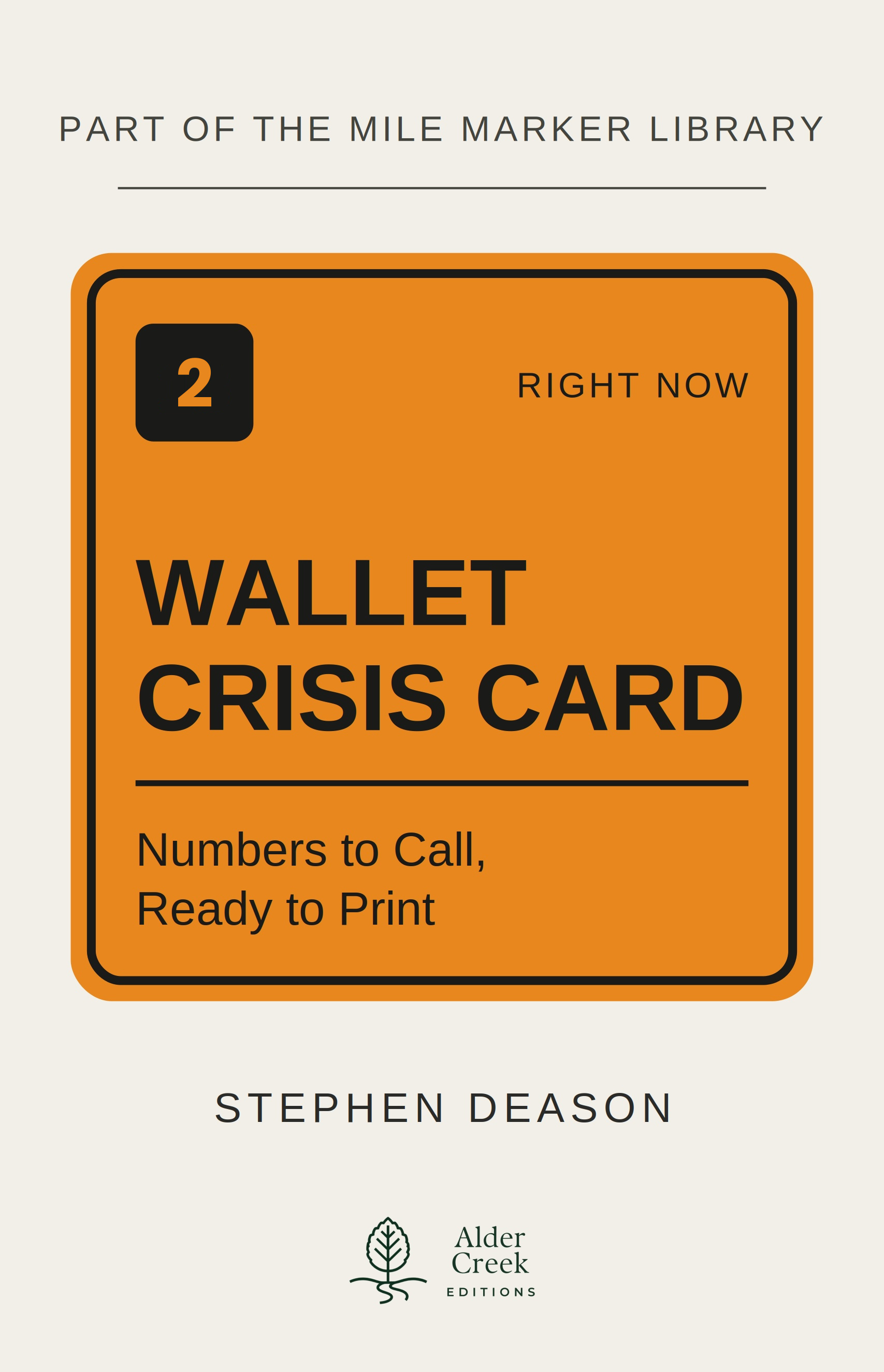
A phone number you can find when you need it
Prepare a Wallet Crisis Card with current contacts, practical calling details, and a copy that can be found when someone needs help quickly.
Read the article
What to ask when you call for help
Use Free Help Directory to prepare a specific request, ask about the next step, and record the answer when calling for recovery support.
Read the article
Questions to bring to an addiction treatment appointment
Use Medications for Addiction, Explained to prepare questions about treatment, tell a clinician what you use, and record the agreed next step.
Read the articleChoose a recovery tool you will actually use
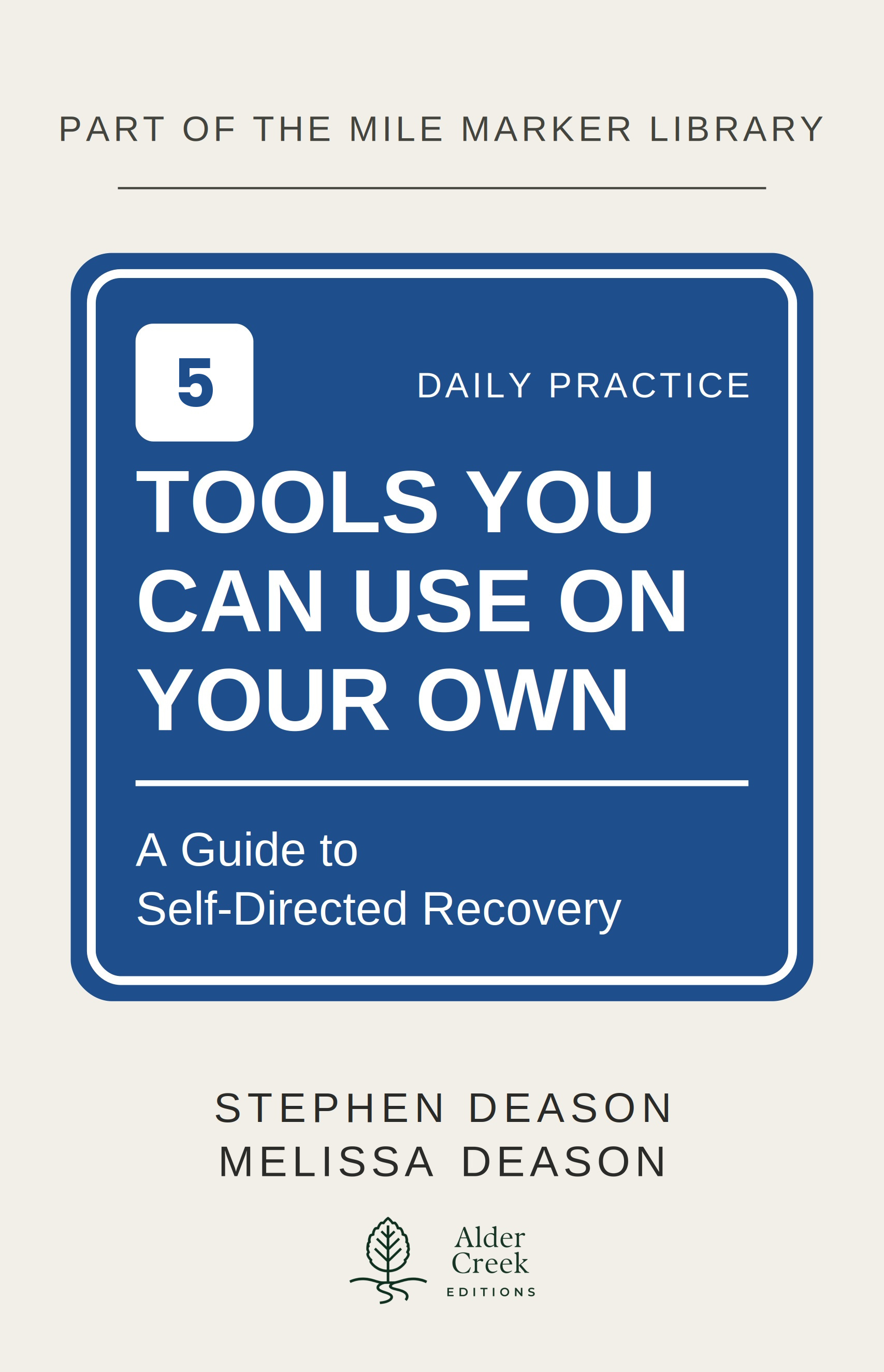
Use Tools You Can Use on Your Own to choose a recovery exercise for a specific difficult moment and prepare a practical step you can revisit.
Read the article
Plan for the hour that is usually hardest
Use Cravings and Hard Hours Workbook to prepare for a difficult time of day, record possible responses, and make a practical support plan.
Read the article
A journal entry that starts with what happened
Use One Day at a Time, Written Down to start a recovery journal entry with an ordinary event and record a useful detail for tomorrow.
Read the articleA money plan for the next necessary payment
Use Money in Early Recovery to gather current bills, identify the next necessary payment, and prepare a specific question for a financial adviser.
Read the article
Prepare for the work conversation
Use Work and Recovery to prepare examples from your experience, check job requirements, and plan a clear conversation about work and availability.
Read the article
Questions to ask before choosing recovery housing
Use Finding a Safe Place to Live to ask recovery housing questions about costs, rules, and daily arrangements before choosing where to move.
Read the articleOffer help with a next step
Use For Families to offer your brother a specific next step, agree on practical help, and record the arrangements that both of you have accepted.
Read the article
Give a peer group a clear beginning
Use Group Facilitator Guide to prepare a peer group’s opening, choose a useful exercise, and make the next meeting’s arrangements clear to everyone.
Read the article