
You have made the appointment. Now you have to explain what you want to ask. Perhaps you have heard about medication from a friend, read an unfamiliar name online, or wondered whether the clinic will take your question seriously. The opening sentence can feel harder to prepare than the rest of the visit.
Try writing it before you leave: “I want to ask whether medication could be part of treatment for my situation.” Put the sentence at the top of a page. Underneath, write the concern you most want the clinician to understand, using your own words.
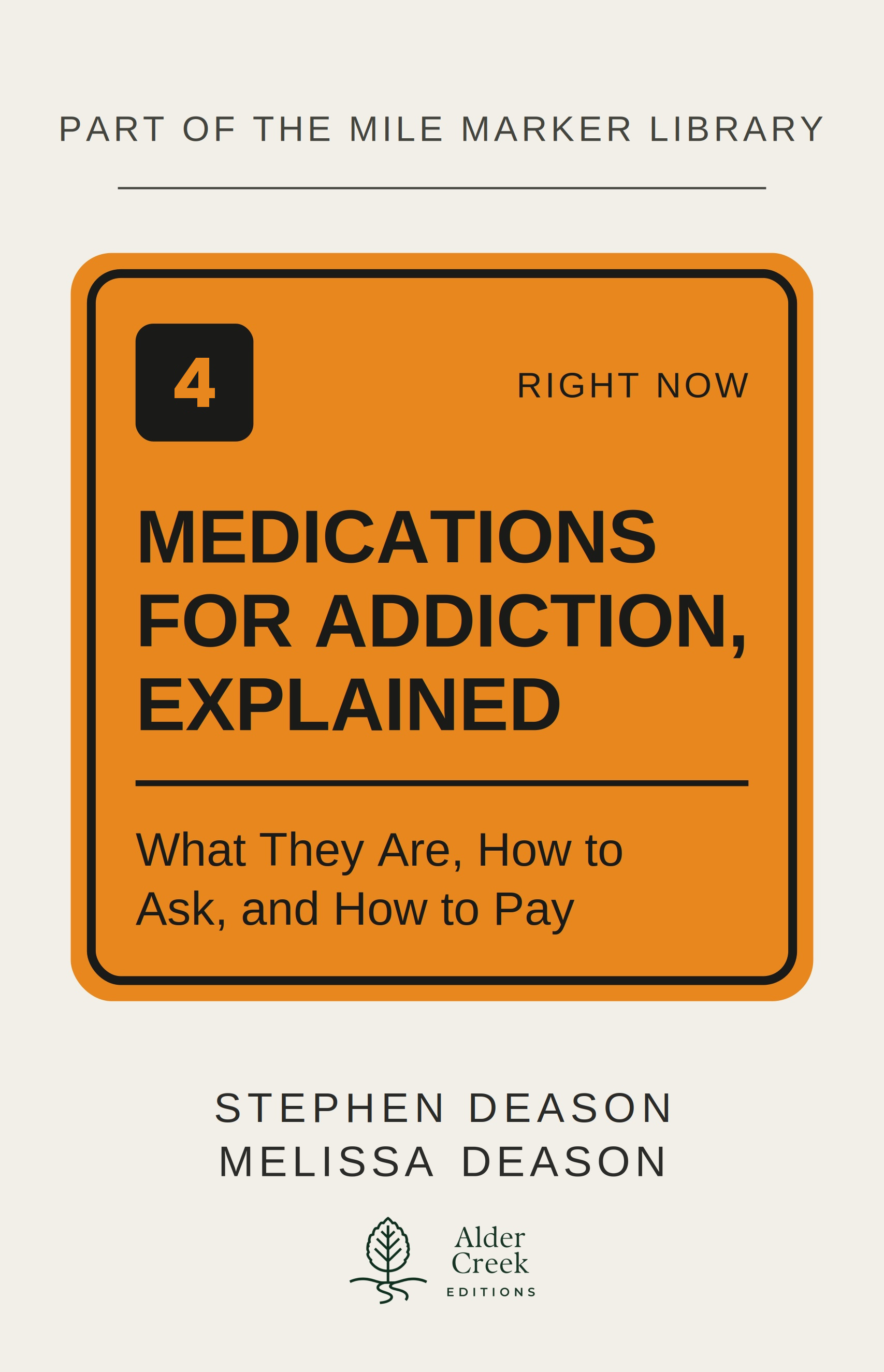
Medications for Addiction, Explained includes a question list for this conversation and a medication-plan worksheet for recording the answers. Stephen Deason and Melissa Deason organize the book around asking for help, understanding the discussion, and handling the practical work that follows an appointment.
Ask about your situation
A medication discussion starts with the clinician understanding your circumstances. Bring your questions about drinking or drug use, your current medicines, and anything else you want the clinician to consider. Tell the clinician when you are unsure of a name or amount. Ask how to obtain missing information.
The book's provider questions begin with the medications the service offers for your situation and what happens when treatment starts. Those questions give the clinician a place to explain the options and ask about your preferences. SAMHSA's patient handbook, Decisions in Recovery, also supports discussing medication options and personal preferences with a provider. (SAMHSA)
Ask what a proposed medication is intended to do. Ask what changes the clinician would want you to report and how the clinician will review the plan with you. If an explanation includes unfamiliar language, ask for an example you can write down.
Put the practical questions beside the medical questions
The book asks readers to raise medication interactions, missed doses, and after-hours concerns with the provider. Bring those questions directly to the clinician. Write the clinician's instructions beside each question so you can distinguish an answered concern from a concern that still needs attention.
Ask about follow-up arrangements while you are in the room. How often would you need to come back? Who would you contact between visits? What happens when the clinic is closed? Ask the clinician to identify the right contact for each situation.
Then explain the commitments that affect attendance. The book explicitly includes jobs, court dates, and childcare in its provider questions. You might say, “My shift begins early, and I collect my daughter after school. What appointment arrangements can we discuss?” Describe the actual constraint so the staff can answer the question you need answered.
Payment belongs on the same page. Ask what the service costs with your current coverage or without insurance. Ask whether a sliding-scale arrangement is available and who can explain eligibility. If the pharmacy later quotes an amount you cannot pay, contact the provider or pharmacy about the cost before deciding what to do next.
Leave with a record you can use
The book's My Medication Plan worksheet has spaces for the clinic, provider contact, medication and pickup arrangements, next appointment, refill date, after-hours contact, and missed-dose instructions. Fill those spaces with the answers supplied by your care team. Ask the clinician to check any instruction you have written in shorthand.
A trusted relative or friend can take notes if you want that help. Tell the clinician who will be joining the conversation and what help you want from your companion. Keep the plan somewhere you can find before the next appointment or pharmacy visit.
Before leaving, read back your next action, the name of the contact responsible, and any unresolved question. Write the answer beside the appointment details, then place the completed question sheet with your medication plan.
Related book
Medications for Addiction, Explained, by Stephen Deason and Melissa Deason. The edition page includes the free printable and available retail editions.